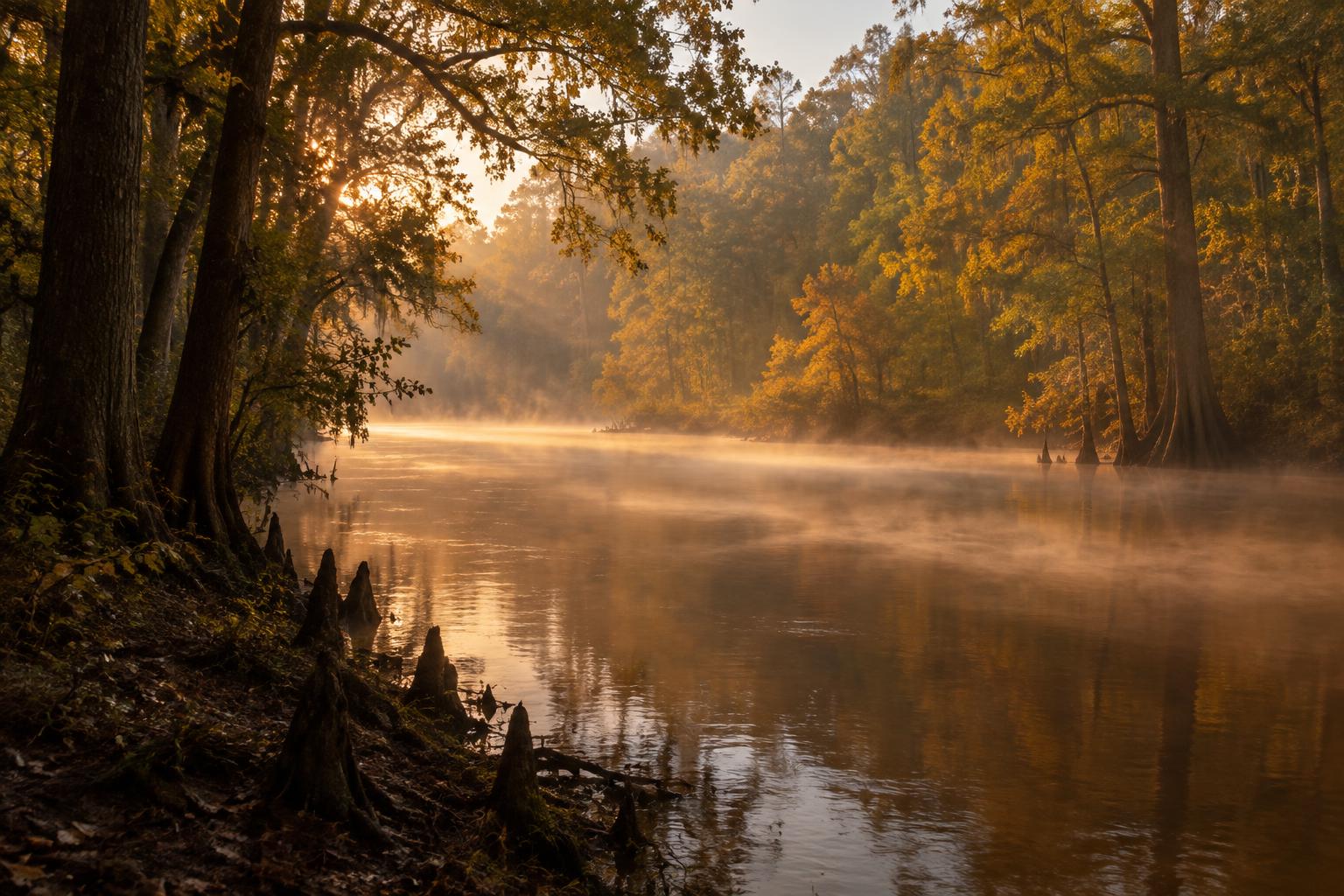
A Choctaw Tribal Nation · Official Site
Choctaw Turtle Tribe
One fire, one people, one basket.
Welcome. This is the official home of the Choctaw Turtle Tribe — our history and our nation, our governing documents, and a private place for our members.
Our own photographs
Our people and our gatherings
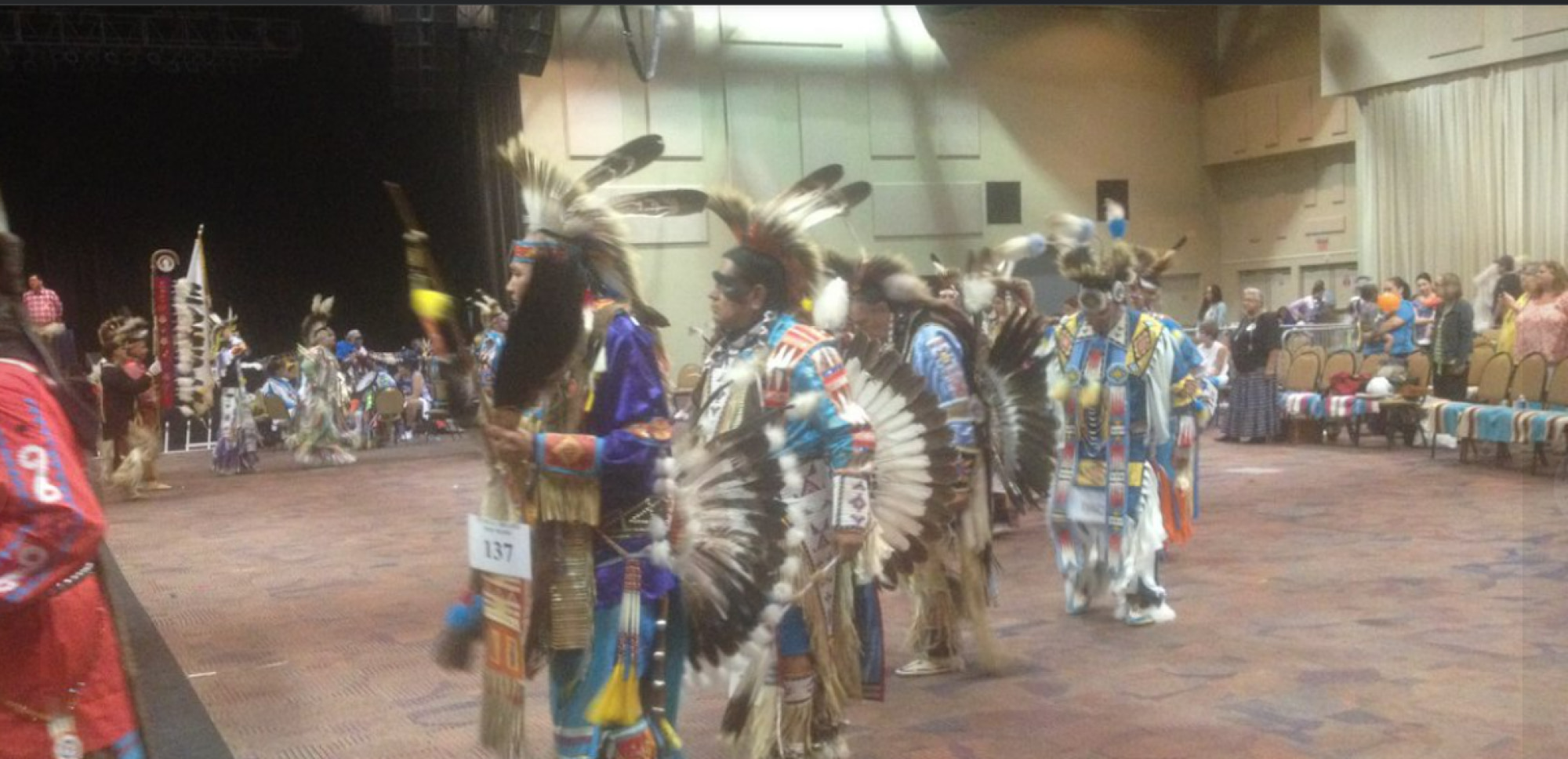
These are the tribe’s own pictures, kept by the tribe and shared here. Dancers in regalia at a gathering, and the country and the days our families carry with them.
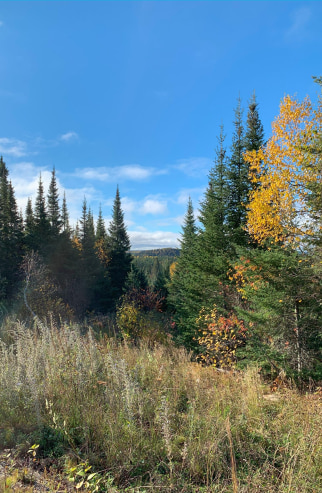
The woodlands — the country our people come from. 
A road at sundown. 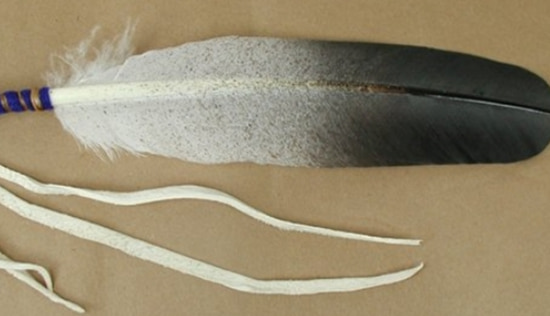
A feather, wrapped and kept. 
A sign in the country — Louisiana.
If you are a member and you have a photograph from a gathering that belongs here, write to the tribal office and we will add it to the tribe’s record.

We are still here, and we are still together.
The Choctaw Turtle Tribe is a Choctaw tribal nation. We carry the name of the turtle because the turtle carries its home on its back and goes nowhere without it — a people who keep their law, their language and their families with them wherever they travel.
Our history is Choctaw history: a people of the southeastern woodlands, of river cane and corn, of towns governed by council, of a language that is still spoken and still being taught. Like so many nations, we were displaced and scattered by removal and by policy. What was never taken from us was the kinship itself — and this tribe is where that kinship is organized and kept.
We are a self-governing nation with our own constitution, our own Elders Council, our own rolls and our own records. This site is one of the ways we keep faith with our members and with anyone who comes looking for us.
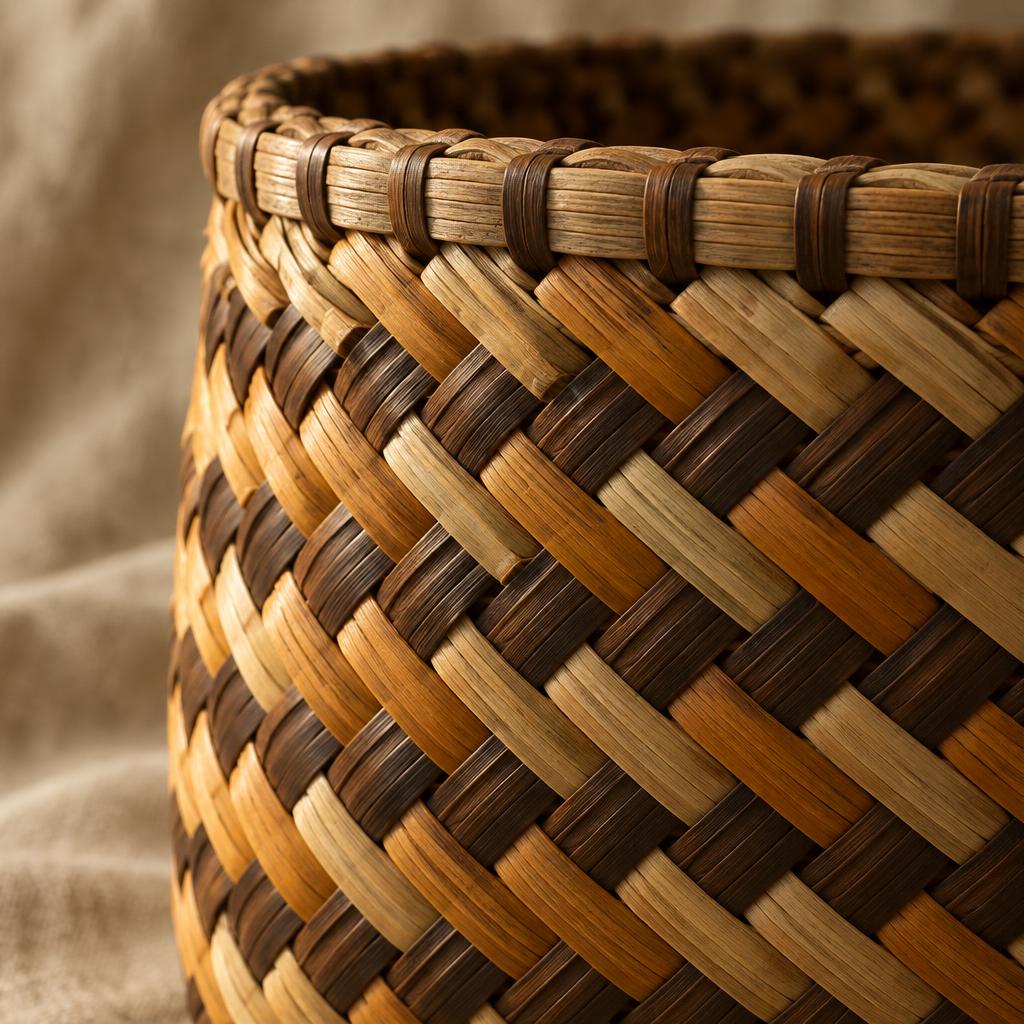
Basketry is one of the oldest things we still make by hand. Cane is split, shaved and woven — a pattern that is passed down the same way the law is, person to person.
What this tribe is for
Our purpose is stated plainly: to preserve and strengthen the Choctaw Turtle Tribe — its people, its culture, its language, its history and its right to govern itself. We do that by keeping our rolls and records in good order, by gathering, by teaching what we know to those coming after us, and by making sure no member is left to carry something alone.
- Respect
- We speak to one another, and about one another, with care. Elders are heard first and longest.
- Kinship
- We are relatives before we are members. The tribe keeps its obligations to its people, and to the generations not yet here.
- Sovereignty
- We govern ourselves, keep our own records, and make our own decisions as a nation.
- Stewardship
- The land, the water and the old ways were handed to us to hold in trust, not to spend.
Our own teaching
The Sacred Circle, the Four Directions, and the Colors
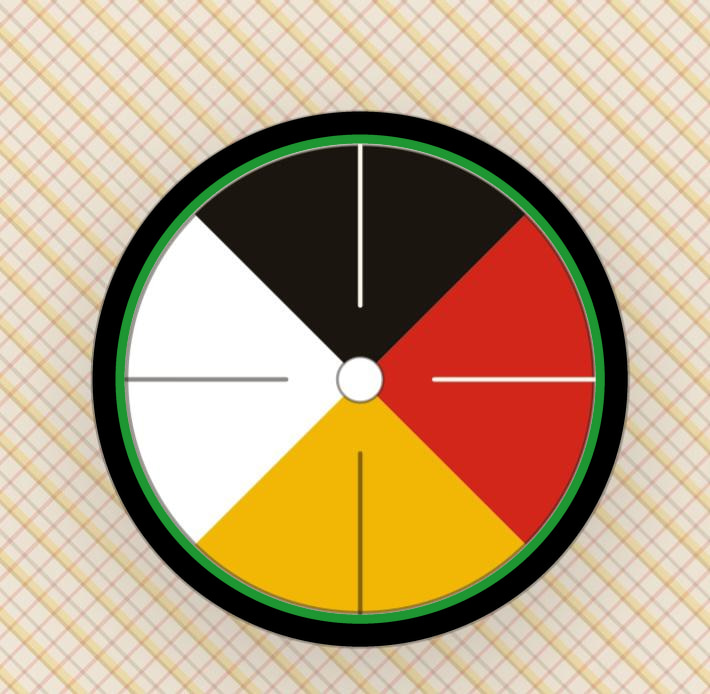
When people look at Choctaw traditions, it matters that the well-known four-quadrant, multi-colored Medicine Wheel in its precise layout of yellow, red, black and white is historically native to the Great Plains and Woodland peoples, among them the Lakota, the Cheyenne and the Anishinaabe.
Southeastern Mississippian cultures, including the Choctaw, the Chahta, traditionally used a closely related cosmology known as the Sacred Circle, the Four Directions, or the Southeastern Ceremonial Complex. In modern contexts many Choctaw educators and artists use the structural concept of the Medicine Wheel to teach these values.
Our tribe is a southern tribe, with members from Mississippi and mainly from Louisiana. We set out our own people’s understanding here, and we honor the sacred differences of other Choctaw, including the Prairie Choctaw of Oklahoma, whose practices are their own.
The Green Circle: Mother Earth and the Corn Mother
In Choctaw cosmology, green (okchamali) represents life, renewal, and Nvchaba and Hvshtahli, the Earth and Nature.
The plant world: the Southeastern woodlands were historically lush and agricultural, and a green circle or center represents the plant world, agricultural abundance, and sustenance.
The gift of corn: green is heavily tied to the legend of Ohoyo Osh Chisba, the Unknown Woman, the Corn Mother, who blessed the Choctaw people with maize. Green represents the sprouting crops that quite literally sustained the life of the Nation.
Where a representation carries an outer ring or an inner center circle of green, it visually represents Mother Earth as one of these sacred dimensions, and it serves as a reminder that we must remain grounded and respectful of the natural environment.
The Seven Directions
Like many Nations, the Choctaw recognize more than the four cardinal directions. We honor seven: North, South, East, West, Up or Father Sky, Down or Mother Earth, and Within or Center.
The Choctaw Directional Colors
White (Vbba, Falvmmi)
North
Traditionally represents peace, purity, rest, and the elders. White is a highly sacred color in Choctaw culture, historically associated with peace pipes, peaceful leadership (Miko), and times of harmony.
Red (Hvmma, Oka Mahli)
South
Associated with fire, power, youth, and historically the Red Chiefs, or warriors who protected the tribe during times of conflict.
Yellow (Lakna, Hoshiati)
East
The direction of the rising sun (Hvshtahli), symbolizing new beginnings, rebirth, illumination, and morning.
Black (Lusa, Okhvtapa)
West
The direction of the setting sun, representing night, the spirit world, the ancestors, and looking inward for wisdom.
Why Green Stands With the Others
In summary, green is introduced to bridge the four abstract concepts of the directions, and the human dimensions, back to the tangible, living Earth. For the Choctaw, whose history is deeply tied to the rich soils, rivers and forests of our original homelands, green is the ultimate symbol of survival, nourishment, and the natural law that ties all other aspects of the circle together.
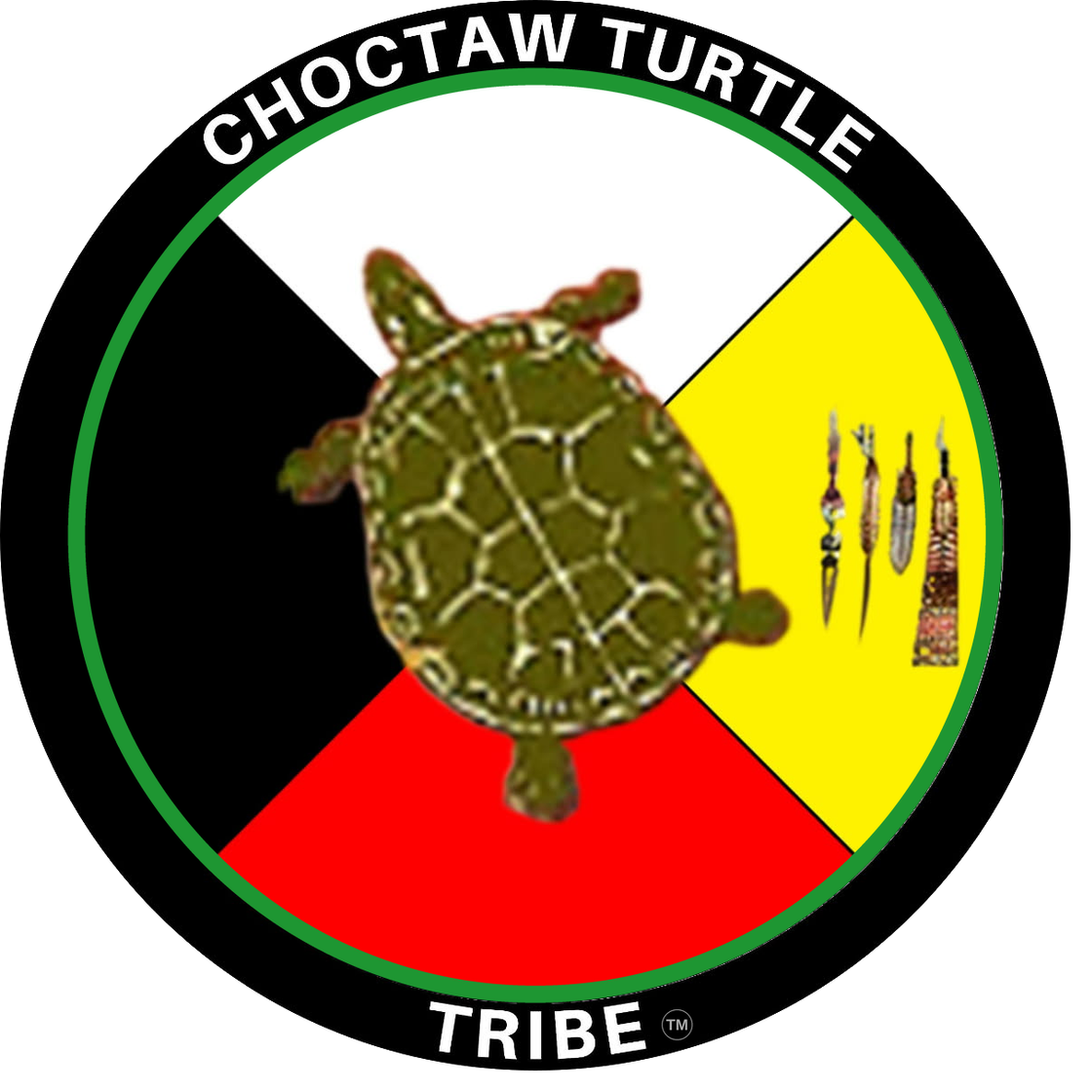
Our seal
The tribe and its business arm
The Choctaw Turtle Tribe is a sovereign, hereditary nation, and is not a business entity.
The seal shown here is the seal of the tribe itself, sovereign and separate from any corporate structure.
Choctaw Turtle Tribe Inc is the tribe’s business arm. Its logo is a separate business logo, used for the tribe’s business management.
Anyone who sees the Choctaw Turtle Tribe Inc logo should understand that it is the business management arm. The seal above is the tribe’s own, sovereign and separate.
Where we come from
The Choctaw are the original people of the southeastern woodlands — the country of longleaf pine, river cane, cypress and slow brown water. Our towns were governed by council long before any outside government took an interest in us, and our language, Chahta Anumpa, belongs to the Muskogean family.
The nineteenth century brought removal, allotment and the breaking up of our land base, and Choctaw people were scattered across the country. Tribes such as ours were reorganized by families and communities who refused to let the kinship end with the map. That is the inheritance this tribe holds.
We do not present that history as decoration. It is the reason the tribe exists and the reason we keep our rolls, our constitution and our records carefully.
When we gather
Our meetings are open to tribal members, and anyone with business before the tribe is welcome to ask how to be heard. Days, times and places are posted by the tribal office.
For our members
No one carries it alone
The tribe helps its members with food and clothing. If that help would make a difference in your household, ask for it — the request goes straight to the tribe’s leadership and stays with them.
Request assistanceRecent news
What is happening with the tribe
Decisions, gatherings and matters before the nations, posted by the tribal office with the date and a short account of each — beside a History & Education page on where our people come from.
News & HistoryFor our members
The members’ area is open to approved members of the tribe. A member asks the Elders Council for access, giving their name, phone number, current mailing address and email; the council matches that against the tribe’s own records and keeps them current, and then the area opens to them.
Already approved? Sign in with your email address — a link comes to you and there is no password to keep. Not inside yet? Send the request and the Elders Council will be in touch within 48 hours.
If you cannot get in
If you are having trouble getting in, email the Elders board at tribalbusinesscommittee@choctawturtletribe.org, and the board will raise it with our web team so it can be put right. The answer comes back to you through the tribe.
Your sign-in link arrives from noreply@choctawturtletribe.org, and it is a no-reply address, so there is no point replying to it. If it has not appeared, look in your junk or spam folder, and adding that address to your contacts helps the next one reach you. The link expires in 15 minutes.
- Approved members only — the lock is on the tribe’s own server
- Sign in with your email address; no password to remember
- A direct way to ask the tribe for help stays open to members
Or write to the Elders Council: tribalbusinesscommittee@choctawturtletribe.org